
Compare all cars
You can see differences between all cars
We give you possibility to compare all avtos
You can see differences between all cars
We give you possibility to compare all avtos
Engine |
|
| Engine type | petrol |
| Engine capacity, cm³ | 1809 |
| Boost type | No |
| Maximum power, hp/kW at rpm | 88 / 65 at 5200 |
| Maximum torque, N*m at rpm | 142 at 3200 |
| Cylinder arrangement | in-line |
| Number of cylinders | 4 |
General information |
|
| Brand country | Japan |
| Car class | D |
| Number of doors | 4 |
Performance indicators |
|
| Fuel type | Normal (92) |
Sizes in mm |
|
| Length | 4215 |
| Width | 1600 |
| Height | 1415 |
| Wheelbase | 2500 |
| Ground clearance | 185 |
| Front track width | 1290 |
| Rear track width | 1300 |
Suspension and brakes |
|
| Type of front suspension | independent, spring |
| Front brakes | disc |
Transmission |
|
| Transmission | automatic |
| Number of gears | 3 |
| Drive type | rear |
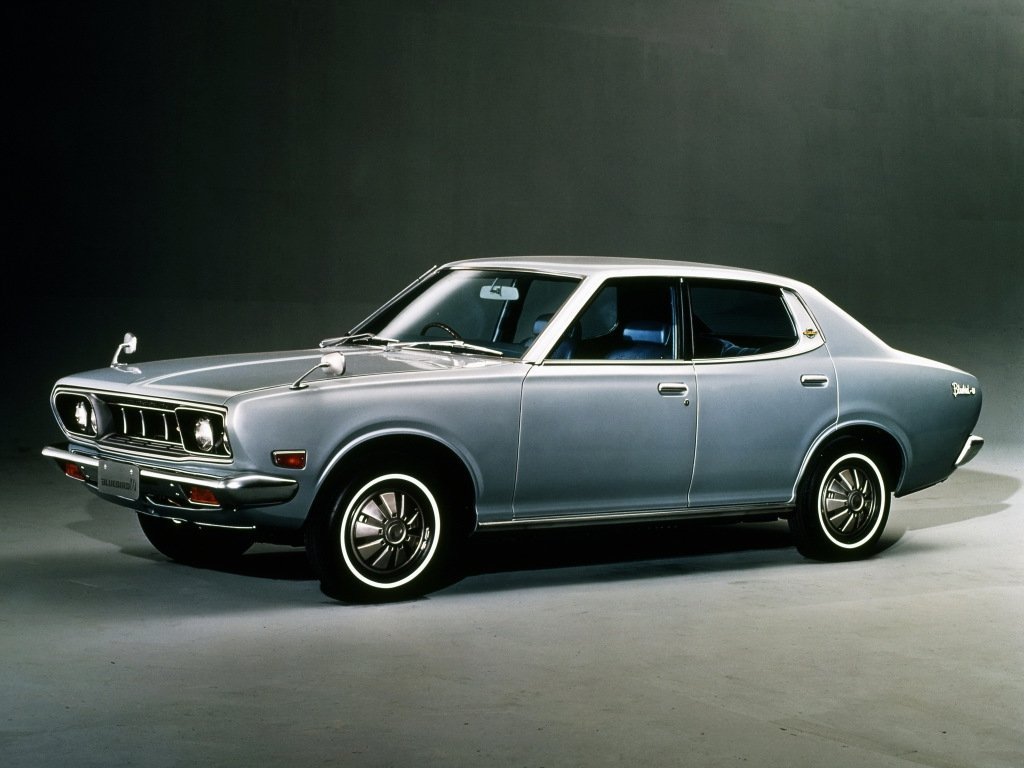
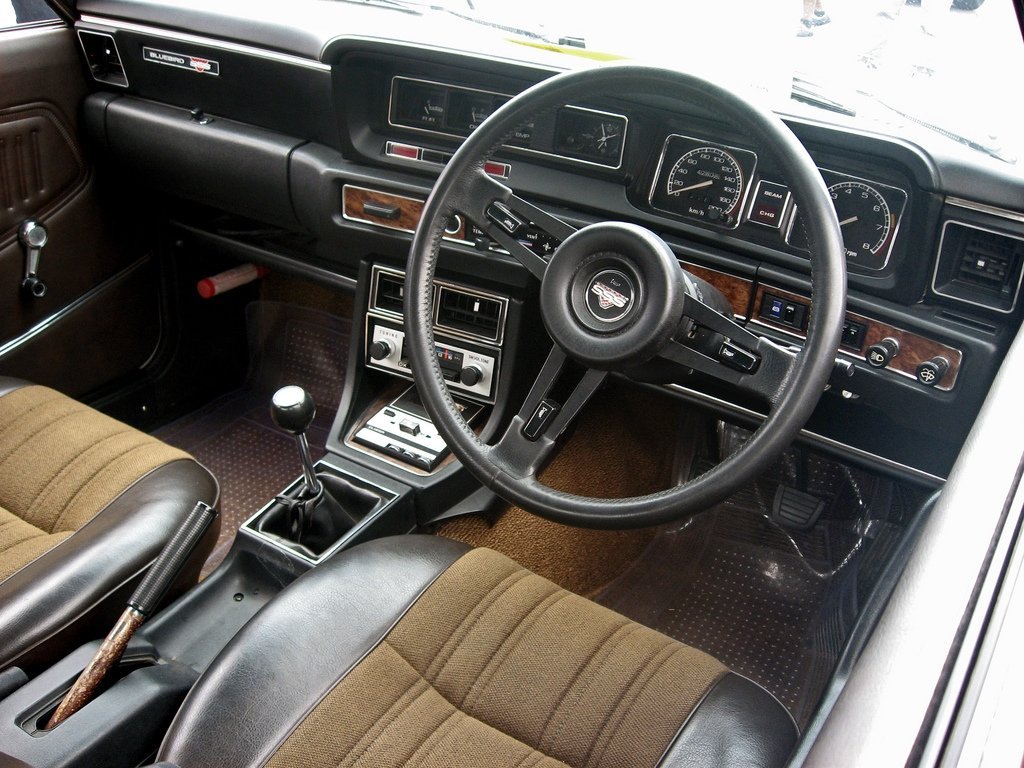
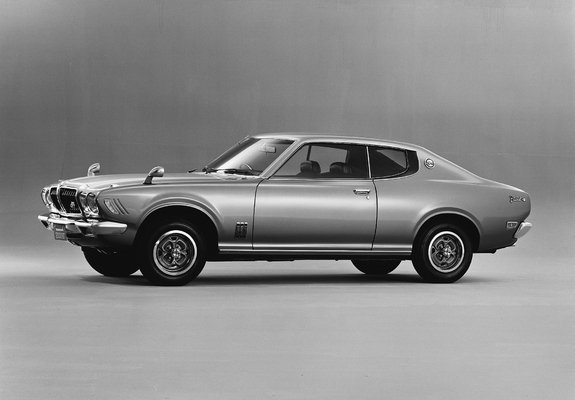
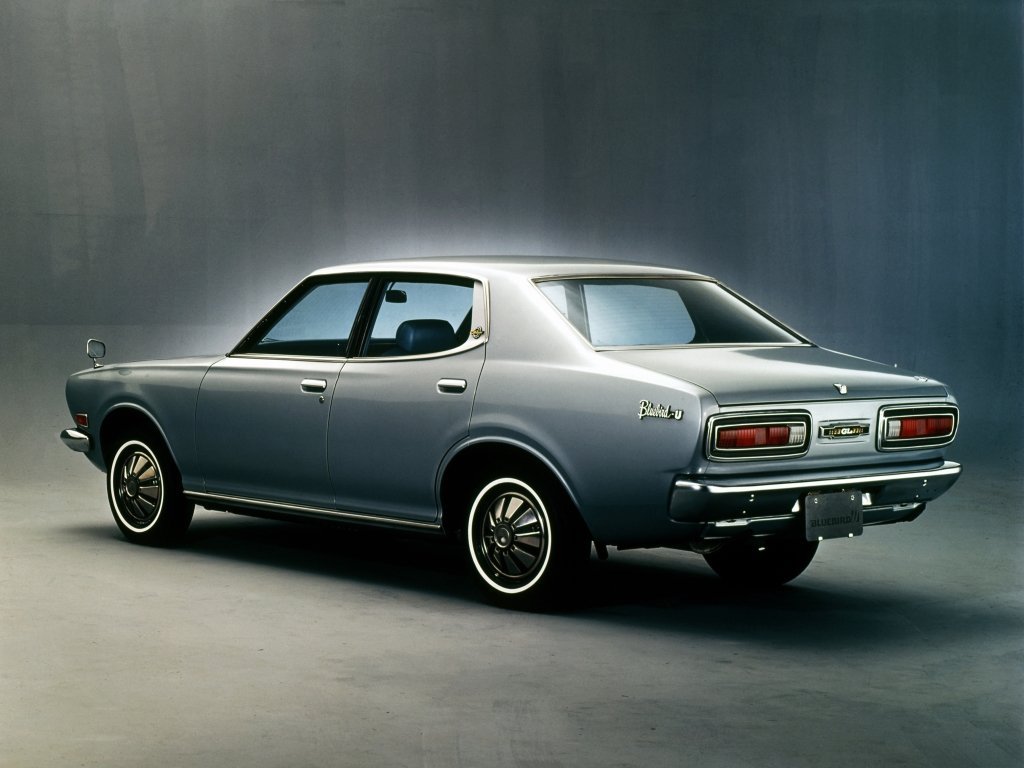
The Nissan Bluebird, produced between 1971 and 1976, is a classic Japanese sedan that combines simplicity, reliability, and practicality. As a member of the D-class, this four-door sedan was designed to cater to families and individuals seeking a comfortable and efficient vehicle. Its rear-wheel-drive configuration and automatic transmission make it a smooth and easy-to-drive car, ideal for both city commutes and longer journeys.
Under the hood, the Nissan Bluebird is powered by a 1.8-liter inline-four petrol engine, delivering 88 horsepower at 5200 rpm and a maximum torque of 142 N*m at 3200 rpm. While not a powerhouse by modern standards, this engine provides adequate performance for everyday driving. The car accelerates steadily, making it suitable for relaxed cruising rather than high-speed thrills. Its fuel efficiency, running on standard 92-octane petrol, is a notable advantage for budget-conscious drivers.
The Bluebird's design reflects the era's emphasis on practicality and understated elegance. With a length of 4215 mm, a width of 1600 mm, and a height of 1415 mm, it offers a compact yet spacious interior. The wheelbase of 2500 mm ensures a stable ride, while the ground clearance of 185 mm allows for decent maneuverability on uneven roads. The independent front suspension and disc brakes contribute to a comfortable and safe driving experience, even by today's standards.
The Nissan Bluebird was introduced during a period when Japanese automakers were gaining global recognition for their reliable and affordable vehicles. Its production from 1971 to 1976 coincided with a time of economic growth and increasing demand for family cars. The Bluebird's reputation for durability and practicality helped solidify Nissan's position as a leading automotive brand. Today, it remains a beloved classic among car enthusiasts and collectors, symbolizing an era of simplicity and innovation in automotive design.
The Nissan Bluebird is a testament to the enduring appeal of classic Japanese sedans. While it may lack the advanced features and high-performance capabilities of modern cars, its reliability, practicality, and timeless design make it a worthy choice for those seeking a nostalgic driving experience. Whether you're a collector or simply someone who values simplicity and efficiency, the Bluebird is a car that continues to stand the test of time.
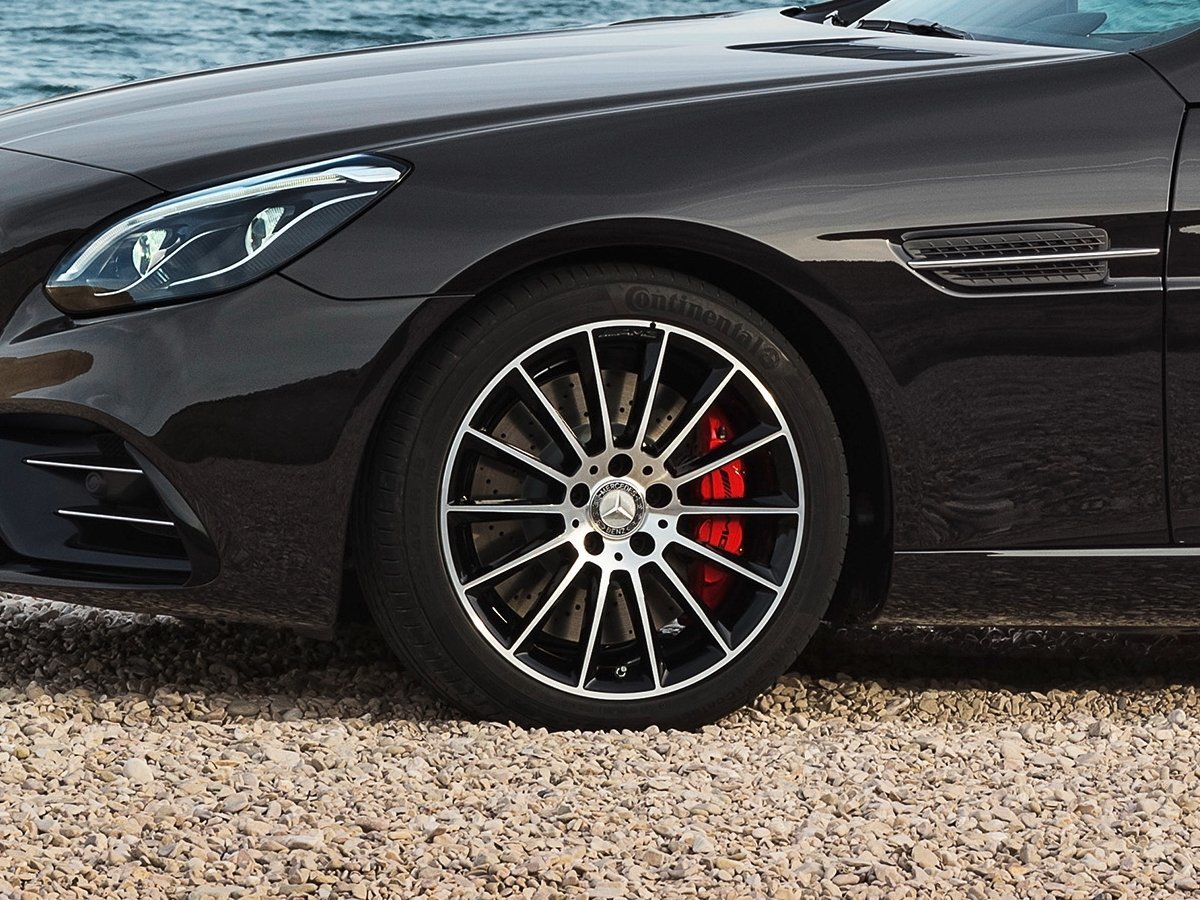 Mercedes-Benz SLC-klasse AMG 2015-2016
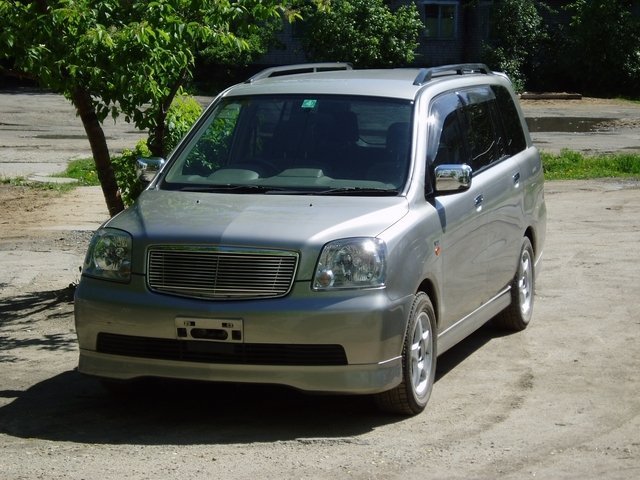 Mitsubishi Dion 2000-2005
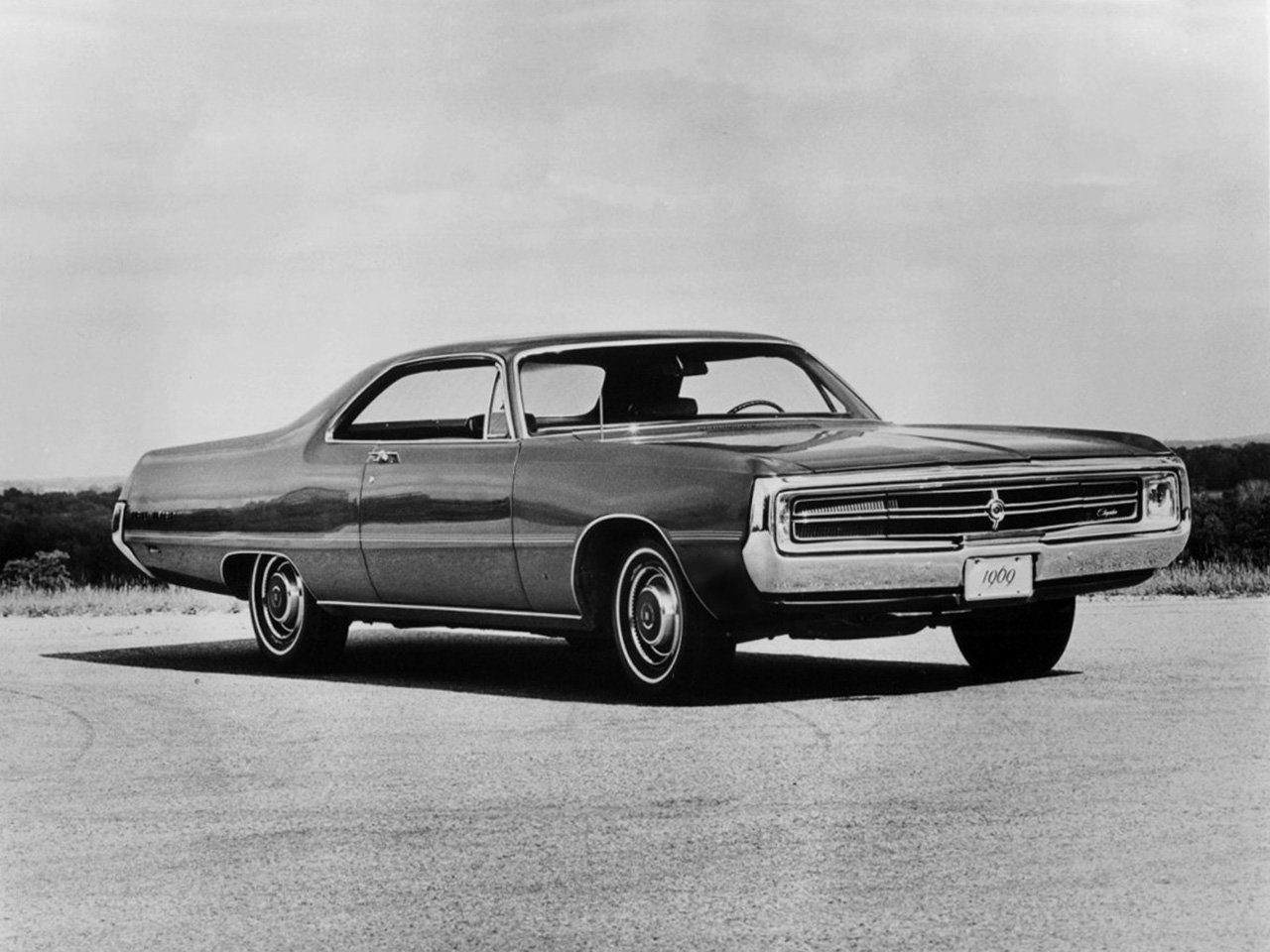 Chrysler 300 1962-1971
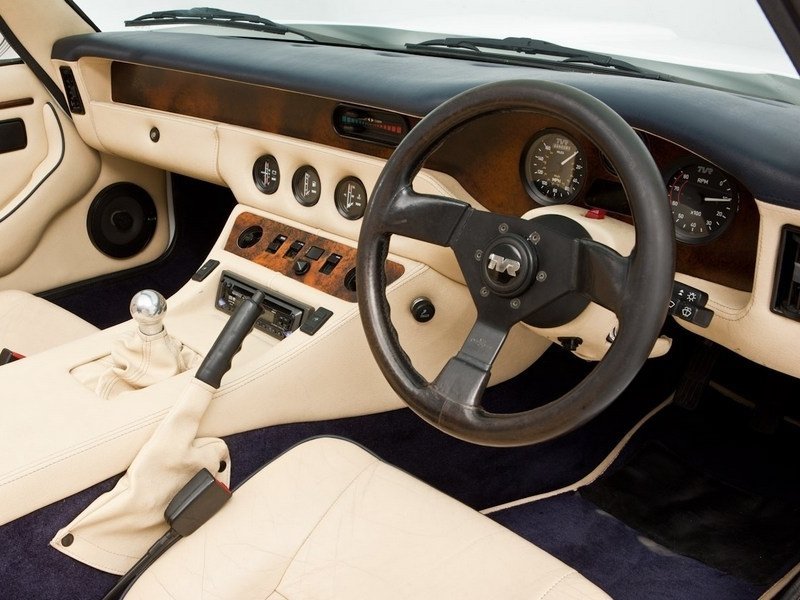 TVR S-Series 1981-1996
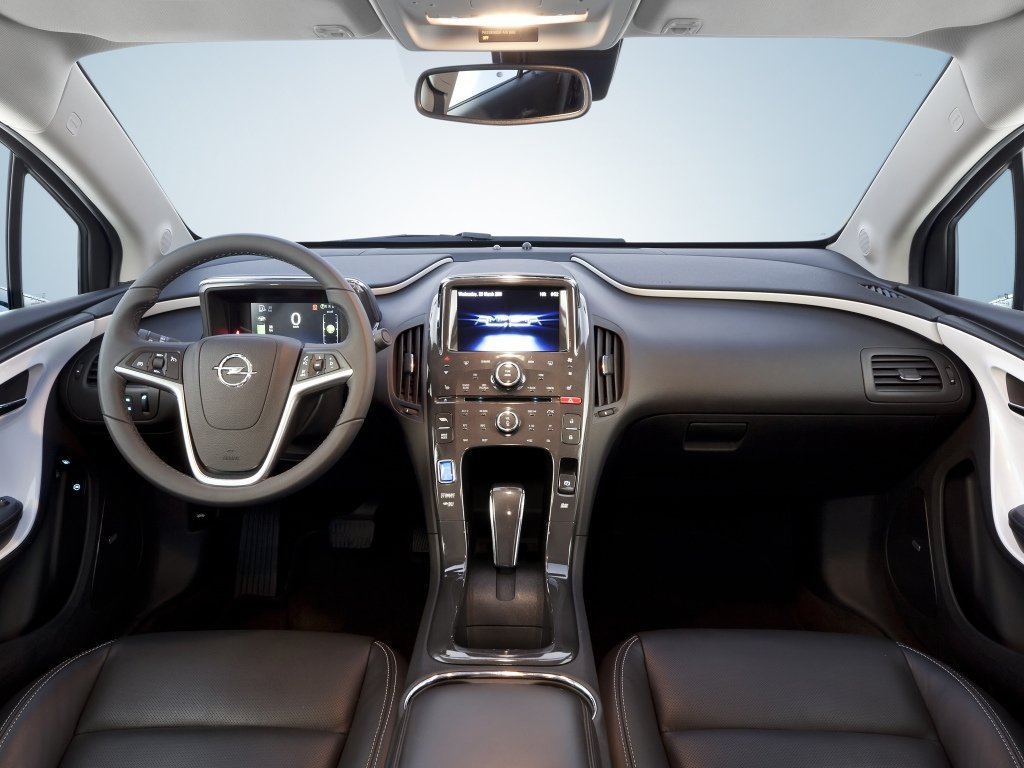 Opel Ampera 2011-2016
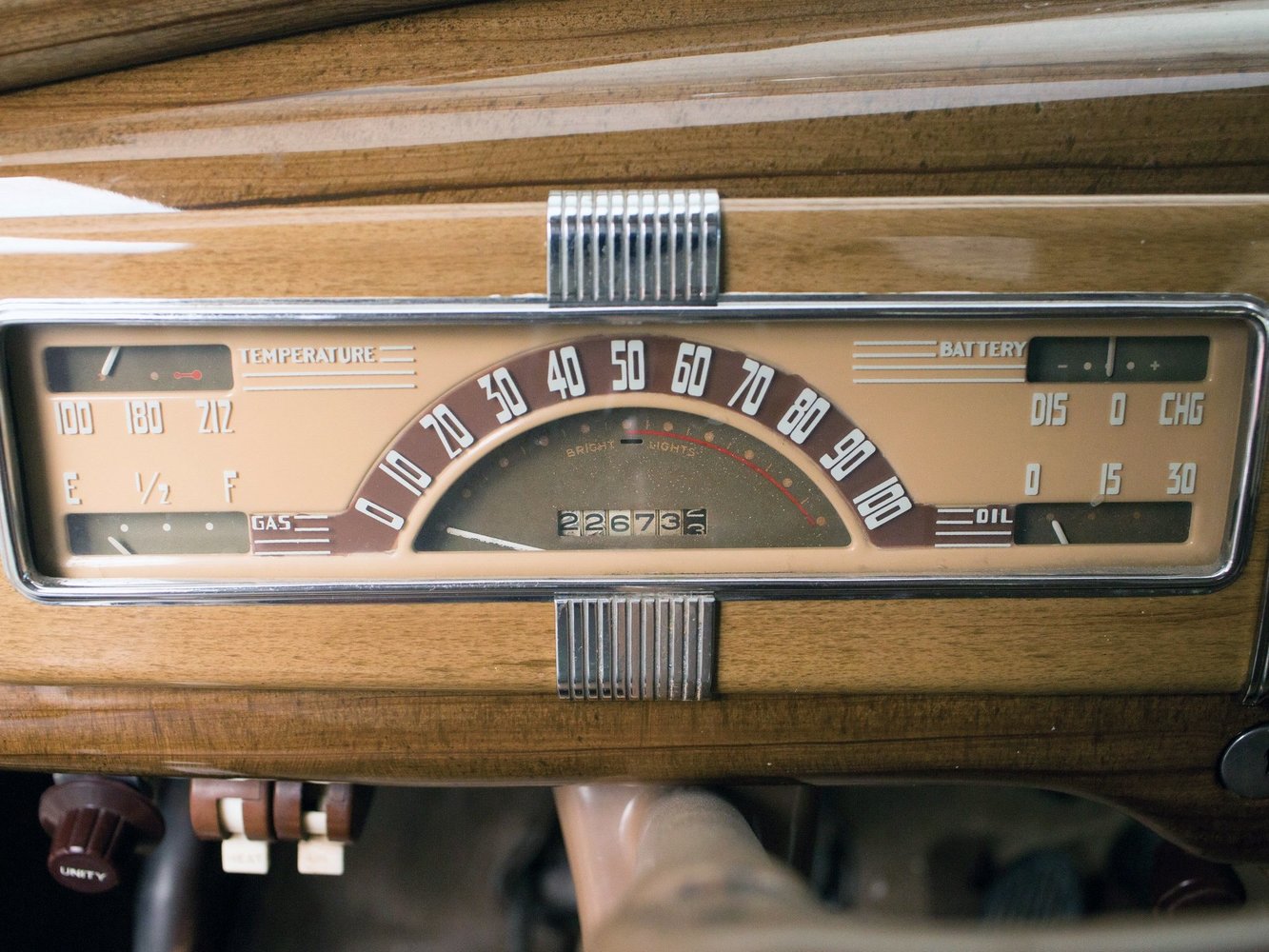 Chevrolet Special DeLuxe 1941-1948
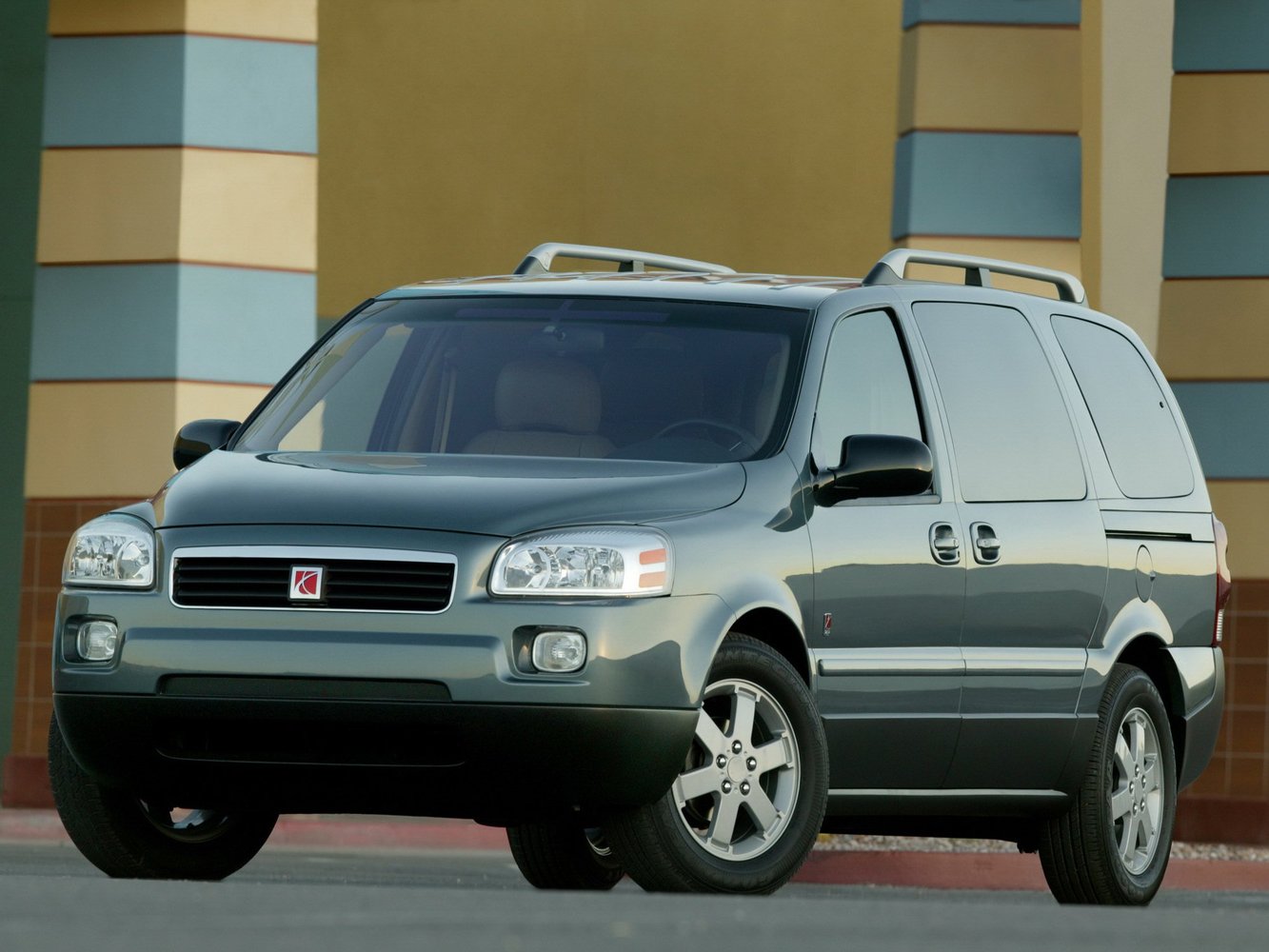 Saturn Relay 2005-2007
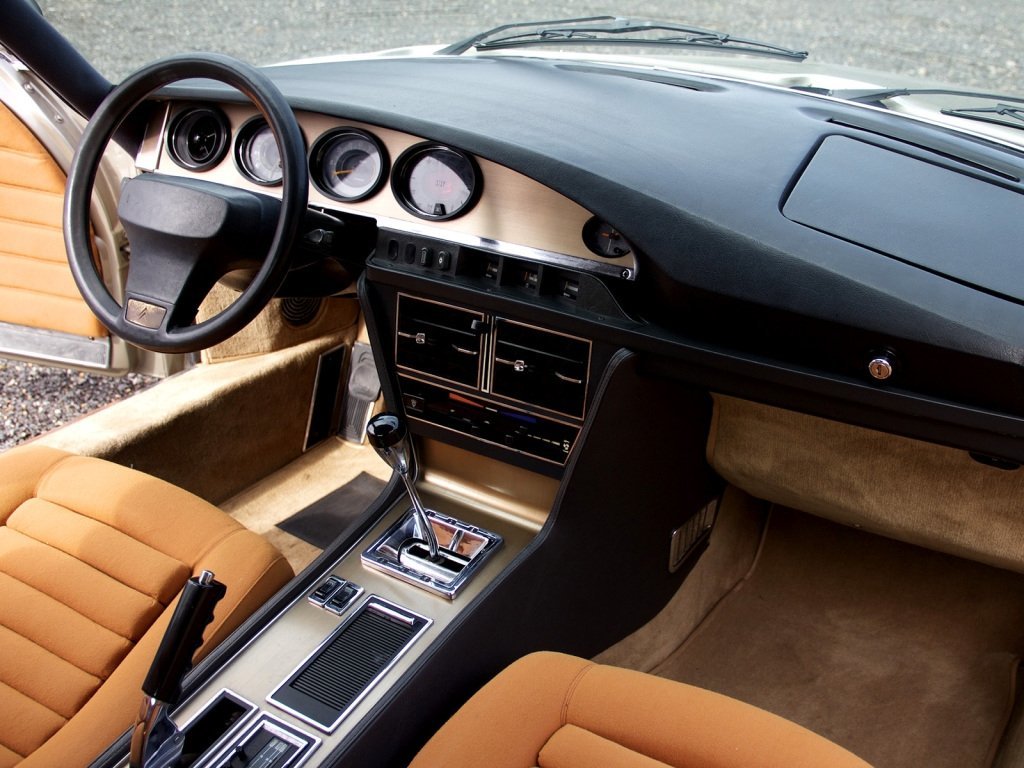 Citroen SM 1970-1975